
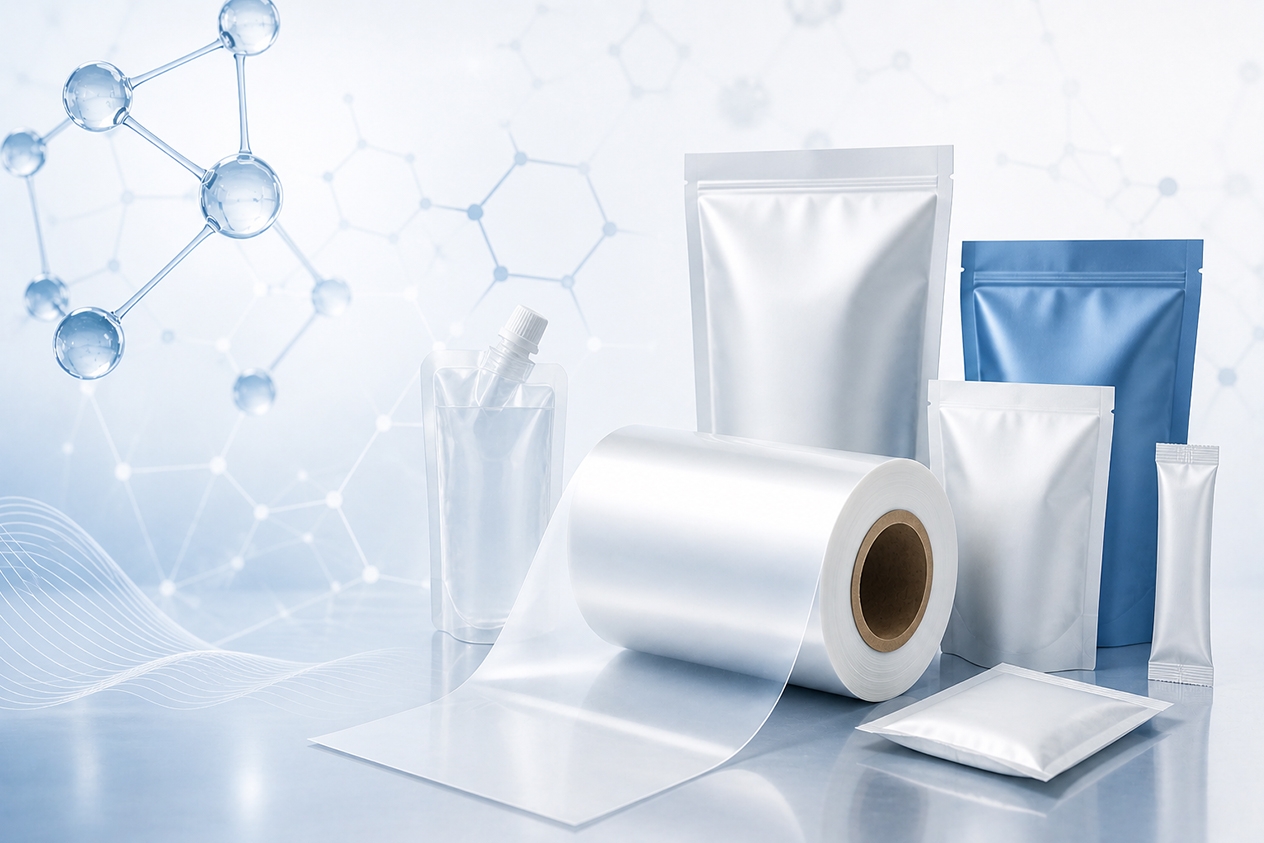
Most people don’t think twice about packaging. You pick up a snack, a shampoo bottle, or a biscuit pack, and that’s it. But behind that thin layer of plastic is a lot of science doing some heavy lifting.
In the FMCG world, packaging isn’t just about looks anymore. It decides how long a product lasts, how safely it travels, and even how much a brand spends on logistics. That’s where companies like Chiripal Poly Films Limited are quietly making a big impact.
Packaging is more technical than it looks
What looks like a simple plastic wrapper is actually engineered at a molecular level. Materials like BOPP and BOPET films are stretched in different directions to make them stronger, clearer, and more resistant to damage.
Why does that matter? Because FMCG products move a lot. They go from factories to warehouses to trucks to retail shelves. During all this, they face heat, moisture, and rough handling. Good packaging makes sure the product inside still feels fresh when someone finally buys it.
And honestly, even a small improvement in barrier protection can mean fewer spoiled goods and less waste.
Why flexible packaging is taking over
Rigid packaging used to dominate. Boxes, bottles, containers. But now flexible packaging is everywhere, and for a good reason.
It’s lighter. It takes up less space. It’s cheaper to transport.
For a country like India, where distribution networks are wide and complex, this makes a real difference. Lower weight means lower fuel costs. Better storage means more products per shipment.
Chiripal Poly Films Limited focuses heavily on these flexible films. Their materials are used in pouches, labels, and laminates you see every day. It’s not flashy work, but it directly affects how efficiently products move.
Small innovations, big supply chain impact
One thing that sets Chiripal apart is control over raw materials. They produce their own PET resin, which reduces dependency on outside suppliers.
That might sound like a minor detail, but it’s not. Supply chains break at weak points. If your raw material supply is unstable, everything slows down.
By keeping things in-house, they reduce delays and keep production steady. For FMCG brands, that reliability matters more than anything.
They also use coating and metallization techniques. In simple terms, they add ultra-thin layers to films to block oxygen, light, and moisture. That’s why your chips stay crispy and your coffee doesn’t lose aroma.
The sustainability push is real now
Let’s be honest. Plastic packaging gets a lot of criticism, and not without reason.
But the industry is changing. Fast.
Chiripal Poly Films Limited is working with recyclable materials and rPET, which is basically recycled plastic turned into new packaging. This helps reduce waste without compromising quality.
Also, lighter packaging means less plastic used overall. So even before recycling, there’s already a reduction in environmental impact.
FMCG brands are under pressure to meet sustainability goals, and packaging companies are a big part of that equation.
Where this is all heading
Packaging is no longer just a support function. It’s becoming central to how FMCG businesses operate.
Packaging is no longer just a support function. It’s becoming central to how FMCG businesses operate.
Chiripal Poly Films Limited is right in the middle of this shift. They’re not a consumer-facing brand, so most people don’t notice them. But their work shows up every time you pick up a well-packed product that feels fresh and intact.
Final thought
If you strip it down, packaging is doing three things: protecting the product, reducing cost, and meeting sustainability demands.
And the companies that get all three right are the ones shaping the future of FMCG.
Chiripal Poly Films Limited seems to understand that pretty well.