
To aid enterprise success through understanding when to deepen your expertise and to diversify your activities has played a major role in shaping India’s growth story. The Chiripal Group’s journey embodies this type of enterprise growth perfectly. With an established textile presence, the Chiripal Group has progressively diversified to include packaging and a variety of other projects. Through manufacturing excellence, the Group has developed a diversified presence in the market.
-
Leading Textile and Packaging Industry in India – Chiripal Group
Building a Strong Foundation in the Textiles Industry-
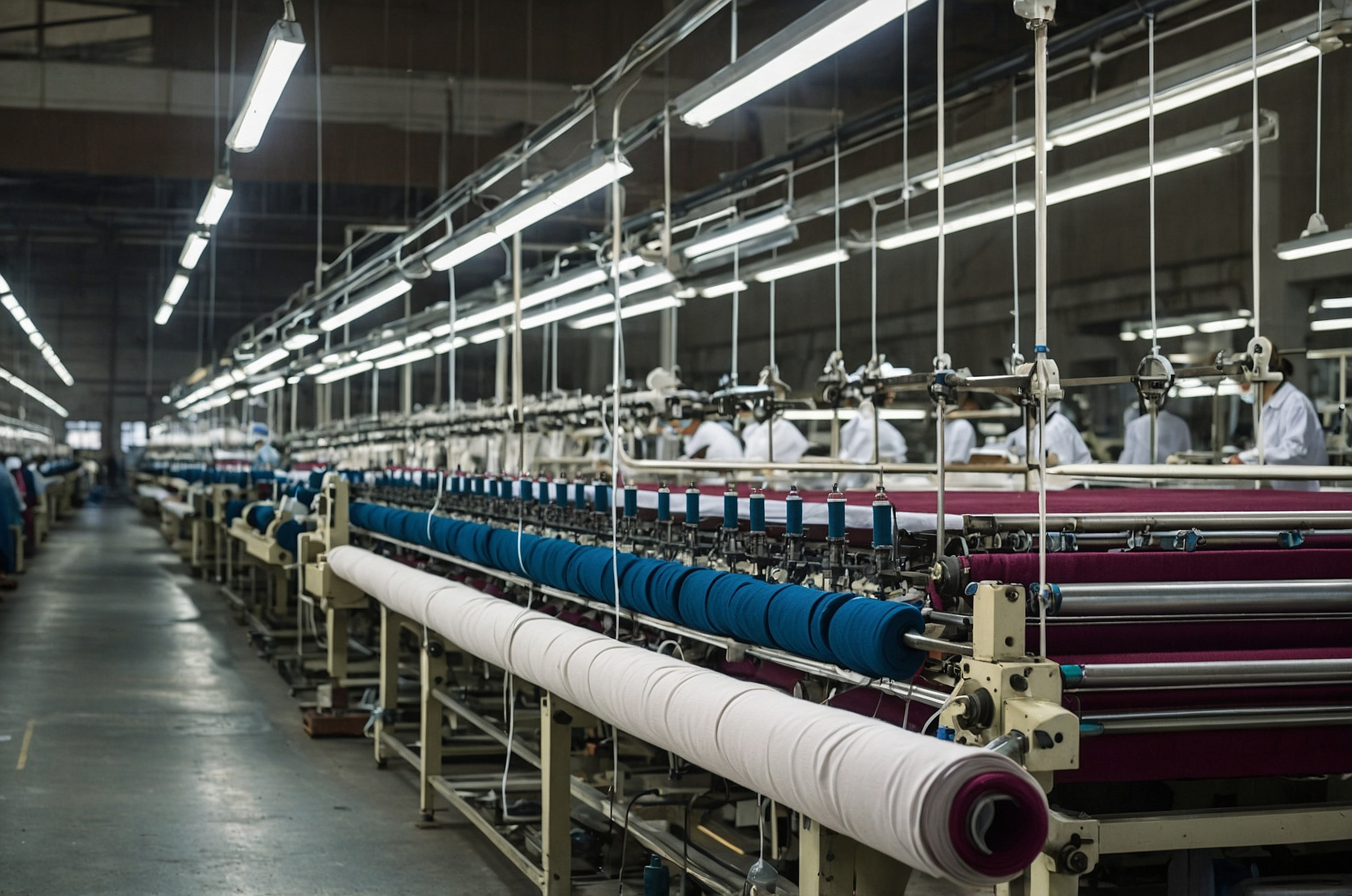
Textiles comprised the core of the Chiripal Group's operations at the time of establishment. Over time, the Group developed considerable depth in the yarn and fabric segments of the business by focusing on improving production facilities through scale, consistency, and process efficiencies. Instead of prioritizing rapid growth and expansion, the Group focused on ensuring systems were sound, technology was improved, and long-term business relationships were established with key partners throughout the textile value chain. The Group's efforts were rewarded by establishing a well-respected reputation globally and within India in all areas of the textile Industry.
-
-
Identifying Packaging as a Natural Extension
-
As there is an increasing demand for new products, advanced materials, and more advanced material solutions in the manufacturing sector, packaging presents an attractive opportunity for the Chiripal Group as a logical addition to its existing product line of textiles. In particular, the increase in demand for packaging that meets the requirements of FMCG, pharmaceutical, and industrial customers is in line with what the Group has built upon as a foundation of success.Chiripal Group launched into the packaging industry with a focus on providing quality films and various types of flexible packaging that protect products, provide optimal shelf life and are efficient.
-
-
Meeting the Needs of FMCG, Pharmaceutical, and Industrial Sectors
-
The distinction of this transition lies in the fact that manufacturing discipline from textiles has transitioned over into packaging. By investing in modern machinery, automating processes and acquiring technical expertise, Chiripal Group has established its packaging operations with global benchmarks.
While packaging was previously considered a standalone vertical, it is now a strategic supplementary element to Chiripal Group's overall manufacturing ecosystem.
-
-
Sustainability as a Growth Driver
-
Sustainability is another significant factor in Chiripal Group's growth. Practices such as efficient resource utilization, optimizing energy usage, and the gradual transition to responsible production methods demonstrate the Group's long-term vision. These actions provide operational and sustainability efficiencies and align with rapidly evolving environmental requirements across industries.
-
Conclusion: Adaptability as the Key to Long-Term Success
By moving from textile production to packaging, Chiripal Group exemplifies adaptability rather than just diversification. By maintaining its core values while also addressing market demand, Chiripal Group has further established itself within India's industrial landscape. The evolution of Chiripal Group shows how a well-thought-out approach towards expansion can create lasting results across industries.
India’s textile industry continues to grow due to ongoing investments into expanding capacity, increasing demand for exports, and the implementation of new manufacturing technologies. The continued availability of raw materials, the presence of skilled labor, and the emphasis on sustainability remain as the primary factors driving growth.
Chiripal Group is diversified across many major sectors: textiles, packaging (BOPP and BOPET films), chemicals, infrastructure, education, and renewable energy. This diversification aids in long-term sustainable growth and development of the manufacturing sector.
Packaging plays an essential role in protecting products, extending the shelf life of products, and providing safe transportation for products. In addition to these roles, packaging also enhances brand visibility and helps to improve supply chain efficiencies across the manufacturing sector.